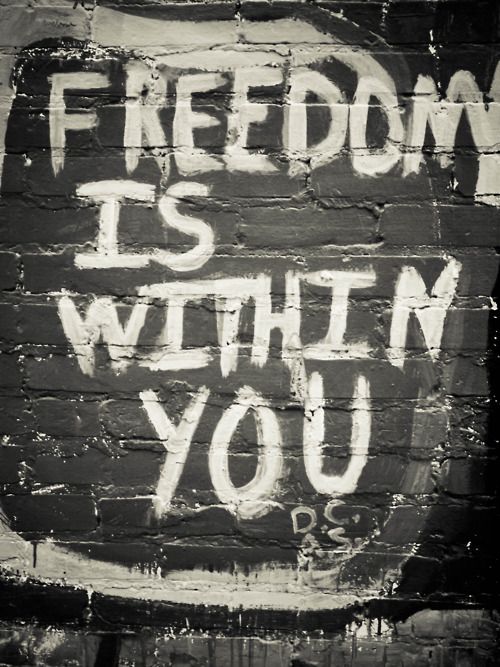
This post is coming to you TODAY, JULY 4TH 2026, Independence day – So to all my beautiful family and friends across the pond as you celebrate FREEDOM and INDEPENDENCE, this one is for ALL OF YOU! 🙂
This is a follow on from our previous post on shadow self and survival mode V creator mode. It is part of our ‘Twilight Zone Series’ – For any of you looking to embark on transformational work over the summer, here is your homework honeys!
AUDIO VERSION BELOW IF YOU WOULD RATHER (incoming….):
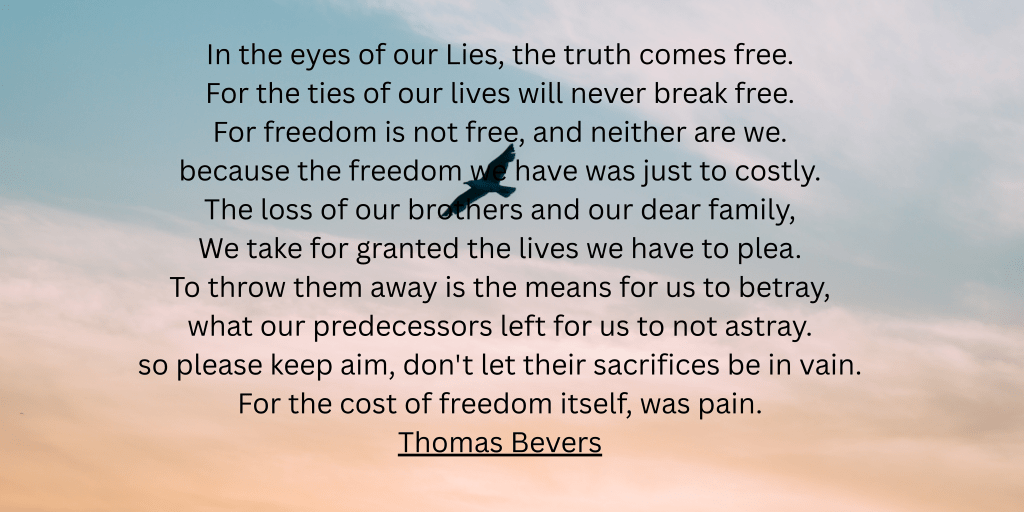
Freedom is perhaps the most misunderstood word in the human language.
We chase it through careers, countries, relationships, revolutions, wealth, spirituality, travel and self-help books. We seek freedom from governments, religions, families, expectations, obligations and pain. We spend entire lifetimes trying to become free.
Yet very few people stop to ask a more uncomfortable question.
Free from what?
And perhaps even more importantly…
Free for what?
Because if freedom is merely the absence of rules, then chaos is freedom. If freedom simply means doing whatever we want whenever we want, then anarchy becomes enlightenment. Yet instinctively we know this isn’t true.
Absolute freedom without responsibility eventually becomes another form of imprisonment.
The paradox is that freedom has always carried a cost.
Every choice closes another door. Every “yes” quietly whispers a hundred “no’s.” Every liberation demands the death of something that once kept us safe.
Perhaps this is why so many people speak about wanting freedom while simultaneously clinging to the very prisons they built themselves.
Because cages can feel remarkably comfortable once you’ve decorated them.
Carl Jung famously suggested that people will do almost anything, no matter how absurd, to avoid facing their own soul. (PREVIOUS POST ON SURVIVAL MODE V CREATOR MODE HERE)
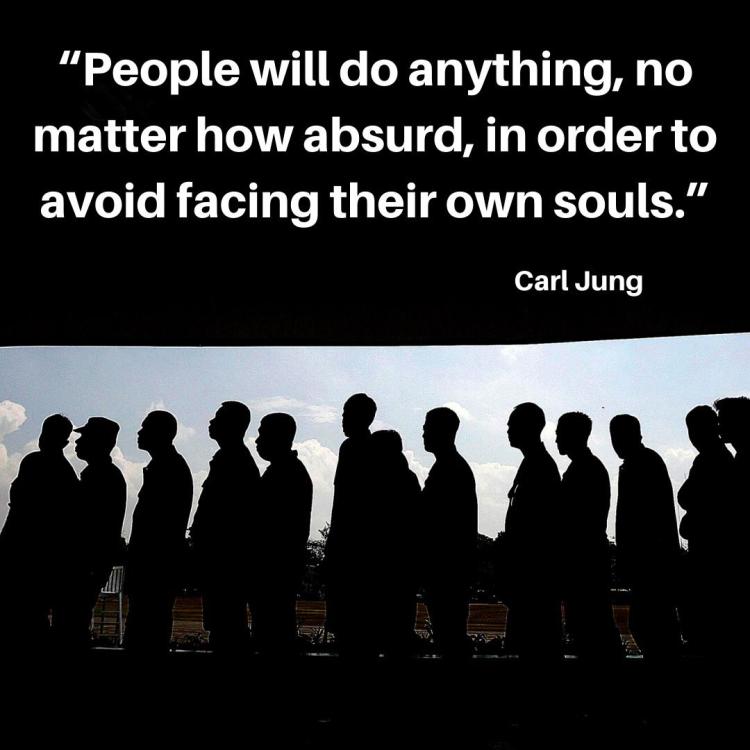
Maybe this is because true freedom isn’t found in escaping the world.
It begins by walking into the darkest room within ourselves
We spend years trying to silence anger. Suppress grief. Outrun jealousy. Hide envy. Reject shame. Deny fear. Label parts of ourselves as “bad,” “negative” or “unspiritual.”
Yet every emotion we exile doesn’t disappear
It simply waits. The shadow is not evil. It is abandoned.
It is every feeling we decided wasn’t acceptable to love. And abandoned things have a habit of speaking louder over time. Sometimes through anxiety, through addiction, through perfectionism, through control, through endless distraction.
The shadow never stops knocking
It simply changes the language it uses to be heard.
This raises an uncomfortable philosophical question.
Who is actually freer?
The person who has acknowledged their anger but chooses compassion?
Or the person who insists they have no anger while unconsciously allowing it to shape every decision they make?
The person who knows they are capable of cruelty but consciously chooses kindness?
Or the person convinced they are only good while quietly projecting darkness onto everyone else?
Perhaps freedom isn’t the absence of darkness.
Perhaps freedom is no longer being controlled by the darkness we refuse to see.
There is an extraordinary difference between possessing an emotion and being possessed by it.
Shadow work isn’t about becoming a better person. Nor is it about fixing ourselves. It isn’t a self-improvement project.
It is an honesty project
Integration is simply saying, “Yes… that part exists too.” Not to celebrate it. Not to shame it. Not to eliminate it.
Simply to witness it.
Because what we acknowledge loses its need to hide.
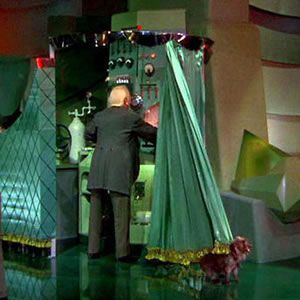
And what no longer hides no longer needs to control us from behind the curtain.
Many people believe freedom means breaking every boundary.
Leaving the marriage. Quitting the job. Ignoring the rules (I DO THIS ALL TO OFTEN), Cutting everyone off. Escaping. Running. Hiding. Starting again.
Sometimes these things are necessary. Often they are not. Sometimes what looks like freedom is simply another form of avoidance.
Freedom isn’t measured by how many boundaries you’ve destroyed.
It is measured by whether the boundaries you keep are chosen consciously rather than inherited unconsciously.
Healthy boundaries are not prisons.
They are architecture
A river without banks becomes a flood. Music without rhythm becomes noise. Language without grammar becomes a sentence that blurbs noise that has no coherence or harmonic rhythm. Even the universe appears to create through structure.
Perhaps freedom has never existed in opposition to boundaries but exists because of the right ones.
The safest people are often the freest people.
Not because life became easier, but because they built an internal home spacious enough to hold every version of themselves.
This may be the greatest irony of all!
Most of us believe freedom lies somewhere outside ourselves.
One more promotion. One more relationship. One more healing modality. One more country. One more spiritual awakening.
Yet if we remain strangers to ourselves, we simply carry the prison wherever we go.
Freedom isn’t found by escaping your life. It is found by becoming large enough to contain it. Large enough to sit beside grief without drowning. Large enough to witness anger without becoming violence. Large enough to hold fear without surrendering your future. Large enough to welcome every forgotten room of your psyche home.
Because maybe freedom was never about becoming someone new.
Maybe it has always been about finally becoming someone whole.
Not perfect. Whole!
And maybe that is the real cost of freedom.
Not money. Not status. Not sacrifice.
But courage.
The courage to meet every hidden part of yourself with enough honesty that it no longer has to wear a mask nbecause the chains that bind us most tightly are rarely placed there by other people.
More often, they are forged from the parts of ourselves we were taught never to touch and the key was never outside the cage.
It was waiting quietly in the shadows all along.
HAPPY 4TH OF JULY FREEDOM SEEKERS! GO LARGE – GO WHOLE – GO HOME