WHO HAS HEARD OF MELATONIN?
Ok, so as we venture into the depths of the world of SLEEP and why on earth we sleep at all, one of the most talked about and most widely used / perhaps most overused sleep aids is a little thing called ‘Melatonin’
HANDS UP IF YOU’VE HEARD OF IT?
We have reached out and spoken with many professionals and experts in the field of hormones and cyclical principles, especially in women’s health where we have touched base with super leaders such as Jenn Pike and Krista Cumming, where they discuss openly about various hormones and paying particular attention to the hormone melatonin. This next segment will be the scientific reveals of what melatonin is and the part it plays alongside various other antioxidants and hormones that make us US. Please pay particular attention to the mention of the pineal gland and its value in a spiritual sense also.
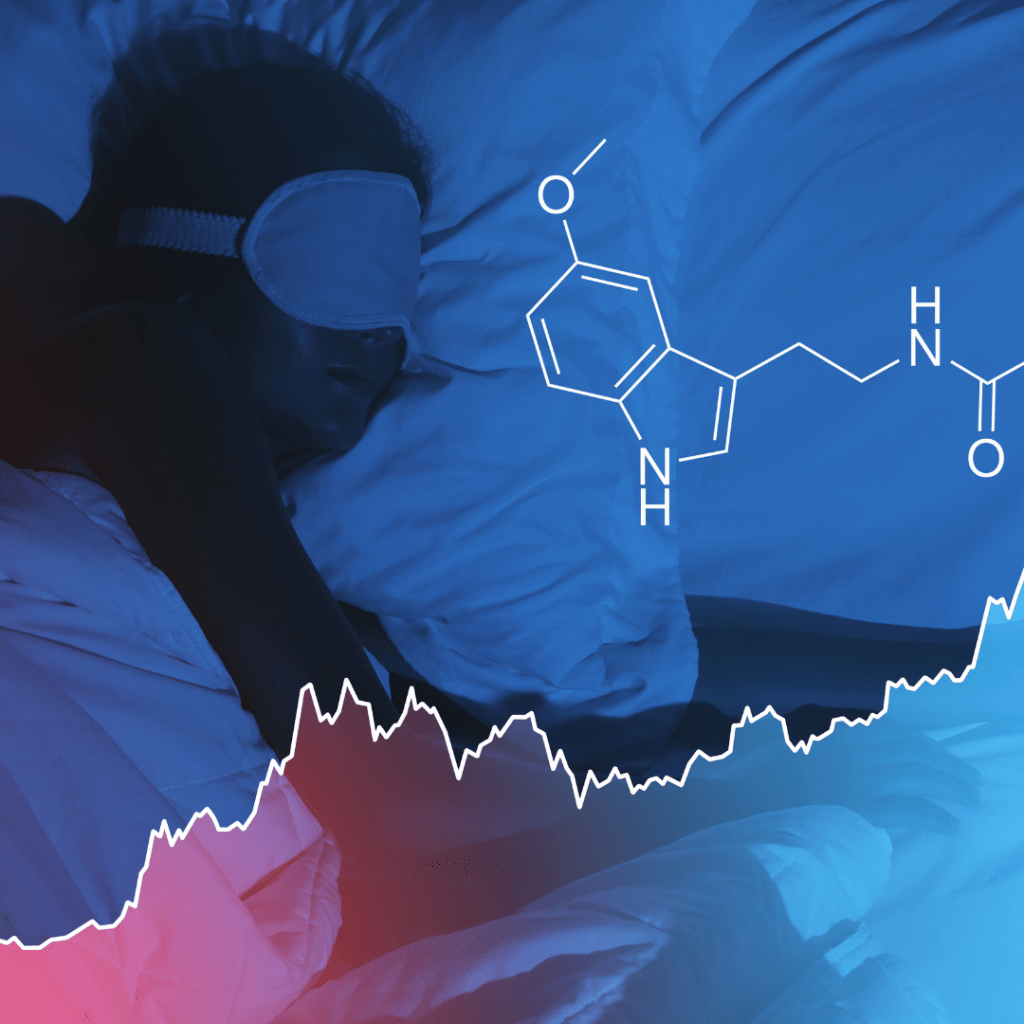
Melatonin, known chemically as N-acetyl-5-methoxytryptamine, is a hormone secreted by the pineal gland located at the base of the brain that helps regulate sleep and wake cycles. This hormone is a derivative of the neurotransmitter serotonin and the amino acid tryptophan. (Tryptophan, for example present in food such as turkey and potatoes, sends you off to sleep better after eating them as they help trigger the hormone in to secretion – Why people enjoy a snooze after a Christmas day lunch) The pineal gland is also what is responsible for our awakening state of consciousness. Often referred to as the third eye, the seat of the soul, or the epicentre of enlightenment; the pineal gland has been something of a mystery when it come to science, yet this small gland in the brain has earned high praise amongst many esoteric / mystical schools of thought as being quintessential to spiritual development.
What’s even more fascinating is that the pineal gland is not just an important concept to one or two cultural traditions, but is applauded for extraordinary abilities to raise consciousness among a variety of cultures all over the world.
Not only is the pineal gland a praised tool for spiritual enlightenment, but scientifically it has many special properties that make it quite unique when it comes to the human physiology. Roughly just the size of a pea, the pineal gland not only receives the most blood flow of any organ in the body, minus the kidneys, but it is one of the largest producers in the body of the all important chemical serotonin. So you see how when we speak of how the solar flares and cosmic rays have a vital impact on our health and the effects that that has on our spiritual connection and universal frequency, it is a pretty big deal that we focus on maintaining a healthy connection to this gland and its secretion. It is also worth noting and I will do an entirely separate post about this as it’s a very deep topic but, the secretion of fluid is also what activates what is known as your Christ consciousness, so as we move in to Aquarius and away from structured doctrine and towards self-governed spirituality, your body will change to become more Christ – Aligned. It is said by the highly spiritual that we will live in Crystalline bodies to match the less dense frequencies that can also work better with the sound light tech and solar minima inevitability. Crystalline – Christ Align….The anointed one via a secreted serum in the brain. WOAH! Carry on please about why brain hormone production is crucial…
ROLE AS A SLEEP REGULATOR

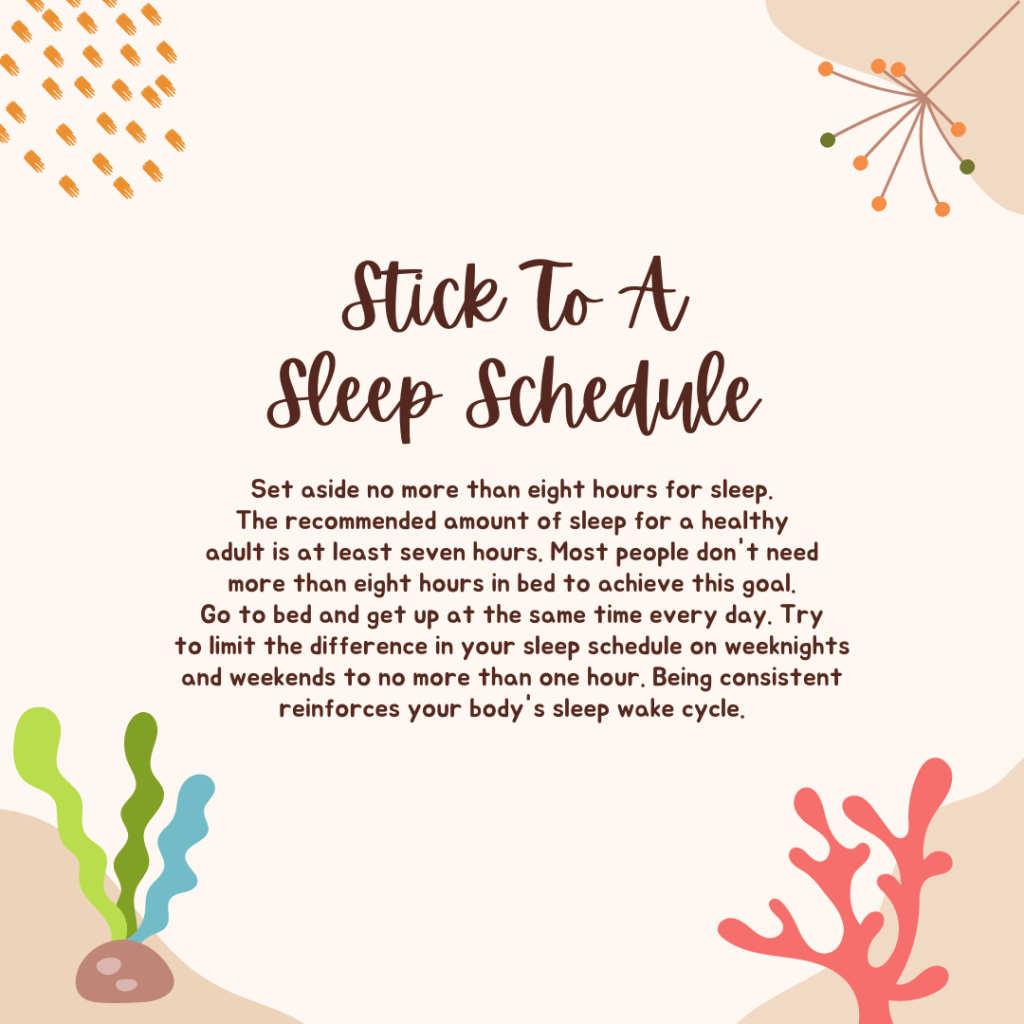
Our bodies have their own internal clocks that help regulate the natural cycle of sleeping and waking hours (circadian rhythm) by controlling the production of melatonin. Usually, the levels of this hormone begin to rise in the mid- to late evening, remain high for most of the night, and then decline in the early morning hours. According to the Society for Light Treatment and Biological Rhythms, approximately 5-25 mcg of melatonin are secreted into the blood stream of healthy young and middle-aged men at night time.
Natural production is greatly affected by light. That is why during the shorter days of the fall and winter months, melatonin production may start earlier in the day. This change can lead to symptoms of seasonal affective disorder (SAD), or winter depression, when some people feel more tired and they need more sleep. Natural melatonin levels decline gradually after the age of thirty. Some elderly people produce very small amounts of it or none at all.
ROLE AS AN ANTIOXIDANT
Melatonin is a powerful antioxidant that can cross cell membranes, cross the blood-brain barrier, and it plays a role in stimulating other antioxidants – this makes it a truly unique antioxidant. It is considered more powerful than vitamins C, E and A, because it is soluble in both fat and water and can enter cells that vitamins cannot. Unlike other antioxidants, it does not undergo redox cycling, which is the ability of a molecule to undergo repeated reduction and oxidation and regain its antioxidant properties (in other words, it cannot be recycled). That is why it is referred to as a terminal antioxidant.
So, we see that in order to activate this hormone and produce this powerful antioxidant, it can only be possible at night time. Hence then, why sleep is so crucial to our lives and a decent bedtime routine is an absolute must.
Melatonin has been shown to effectively raise glutathione levels in many tissues, such as the brain, liver, blood serum and muscles.
Read the abstracts of clinical trials linking melatonin to Glutathione production.
Each antioxidant plays specific roles within our bodies. One of the roles melatonin plays is in the protection of nuclear and mitochondrial DNA. Of course this requires some explanation first. DNA stands for deoxyribonucleic acid. It is found in the nucleus and in the mitochondria of the cell. DNA is the genetic material that is responsible for determining who and what we are. Nuclear DNA is the DNA found in the nucleus of the cell. Mitochondrial DNA is found within the cell; mitochondria are structures within cells that convert the energy from food into a form that cells can use. Click here for more information on Mitochondrial DNA. This is a lot of in-depth information about melatonin, but it is presented to stress how important of a role it plays in protecting our health.
DNA repair is a vital role in our health. The oxidative stress producing free radicals damages our DNA. The DNA is surprisingly resilient but it can function properly when damaged only to a certain degree. At some point, the damage becomes too severe and the cell starts duplicating itself uncontrollably. Our body recognizes this as a foreign cell (cancer or tumor) and attacks it. If our body’s attack is successful we are never aware it occurred. But if it is not successful we develop cancer. So, melatonin protecting DNA before the damage gets to this severe point is vitally important to the success of immune system in keeping our bodies cancer and tumour free.
As an antioxidant melatonin is a potent scavenger of free radicals. It has been studied extensively for the treatment of cancer, immune system disorders, Alzheimer’s disease, autism, cardiovascular disease, and depression.
ROLE IN HEALING
Most of us know that we heal the fastest when we sleep: why? The answer to this question is not a straightforward answer. But a big part of the answer has to do with glutathione, antioxidants and melatonin.
Antioxidants eliminate free radicals and in cases like melatonin and glutathione, antioxidants can also repair DNA. So what is the relationship of these three things and how do they affect the healing process when we sleep?
To start, when we lack an antioxidant or are low on specific antioxidants, glutathione takes on their role (job, so to say) of eliminating free radicals. This tends to deplete glutathione supplies in the body, which then inhibits or slows down all the other roles that glutathione plays in our body – detoxification, DNA repair, recycling other antioxidants, transfer of energy from mitochondria to the cell, food for the immune system and as an immune system regulator.
When melatonin is produced, as an antioxidant it frees up glutathione (this is proven clinically). With the freeing up of glutathione, glutathione is then free to perform its other roles. Two of the most important roles are food for the immune system and toxin removal. The healing process is greatly inhibited by the presence of pathogens and toxins. So while this answer is not direct, by following the path of antioxidants, melatonin and glutathione, and understanding the interactive role they have with one another, we can see how melatonin production increases glutathione and in turn speeds the healing process.
WHAT DEPLETES NATURAL MELATONIN PRODUCTION?

Of great interest are the studies about the effect of light pollution on the production of melatonin and as a result, the impact on the metabolism, immune function, endocrine balances and the development of cancers.
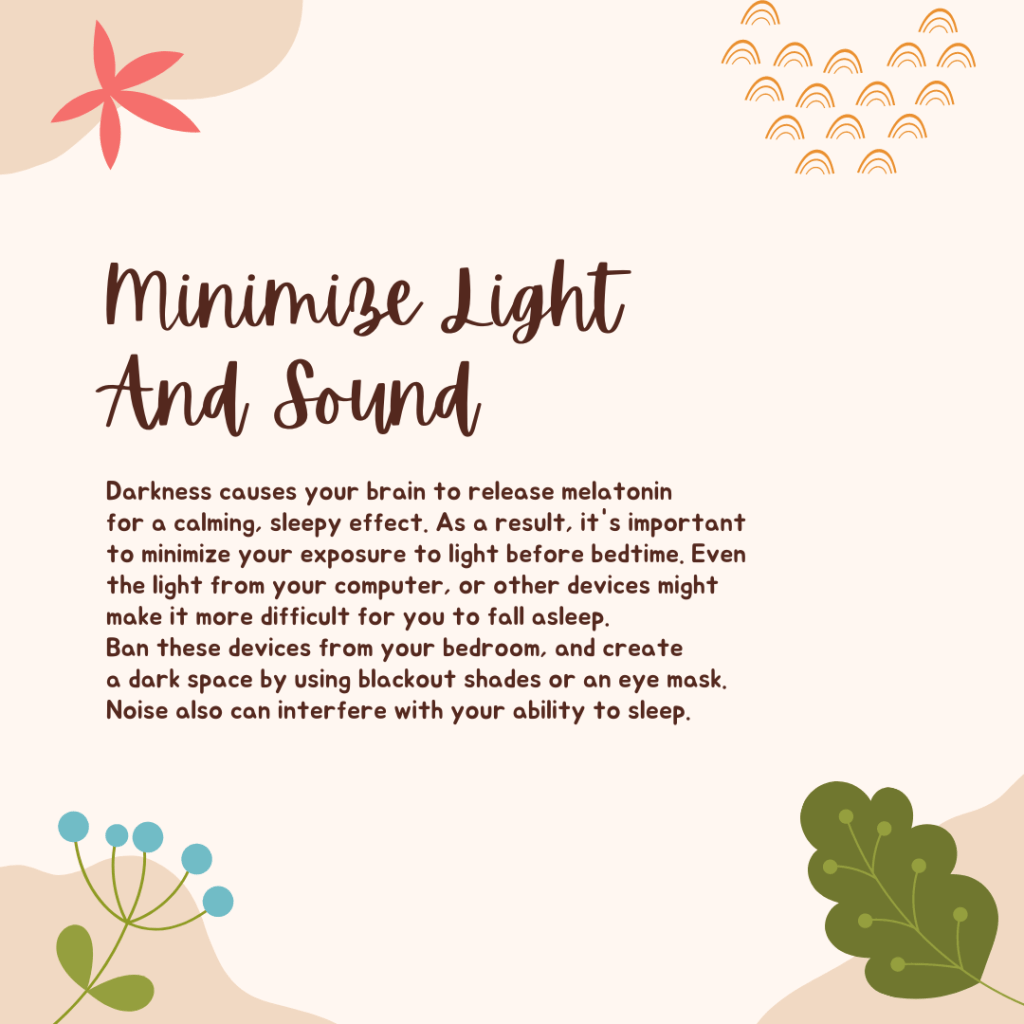
Light pollution is the brightening of the sky at night by artificial lightning of highways, streets, malls, stadiums, homes, etc., also called urban sky glow. Retinal ganglion cells responsible for detecting light and suppressing melatonin production are most sensitive to blue/violet light.
The 2007 review published in the Journal of Pineal Research states that human exposure to low-level incandescent lightning for only 39 minutes suppresses melatonin levels upto 50%. As we stated above, melatonin stimulates Glutathione synthesis. Constant light exposure leads to melatonin deficiency which leads to decreased tissue Glutathione peroxidase activity and the promotion of oxidative stress.
Current evidence suggests, as noted in the review The dark side of light, exposure to the high levels of artificial light at night may play a role in cancer risk. Studies have indicated that melatonin exerts a direct effect on tumour growth and proliferation, and the increased risk of cancer was observed in patients with the brightest bedrooms. Multiple studies have documented a link between night shift work and an increased incidence of breast cancer.
Read the full text of this review here: “The dark side of light at night: physiological, epidemiological, and ecological consequences” by Kristen J. Navara and Randy J. Nelson. The Ohio State University, Columbus, OH.
Another factor that reduces melatonin production is certain drugs: non-steroidal anti-inflammatory drugs (NSAIDs) such as ibuprofen (Motrin, Advil) or naproxen (Naprosyn, Aleve); beta-blocker blood pressure medications such as atenolol (Tenormin) or metoprolol (Lopressor, Toprol); and medications that reduce levels of vitamin B6 in the body (such as birth control pills, hormone replacement therapy, loop diuretics, hydralazine, or theophylline). Time to ditch this and bring in new ways that are way healthier. As we ditch the anti-biotics and the pain killers, lets reach for the tinctures and the herbs instead. They worked for thousands of years before our empirical dictators took the reins. Time to rise and bring it back.
So, we’ve explored the depths of the melatonin hormone, but for those of you perhaps interested in finding out more about how to balance your other hormones and how they all fit together like quirky little pieces of the YOU puzzle, below is a piece called LEARN TO LOVE YOURSELF AGAIN that goes deep into the exploration of hormone health and looks at DIET, SLEEP, BLOOD TYPES, EMFS, MOVEMENT AND MORE – A very detailed read for those wanting to get ahead on their hormone health journey
HORMONES 2024 – LEARN TO LOVE YOURSELF AGAIN
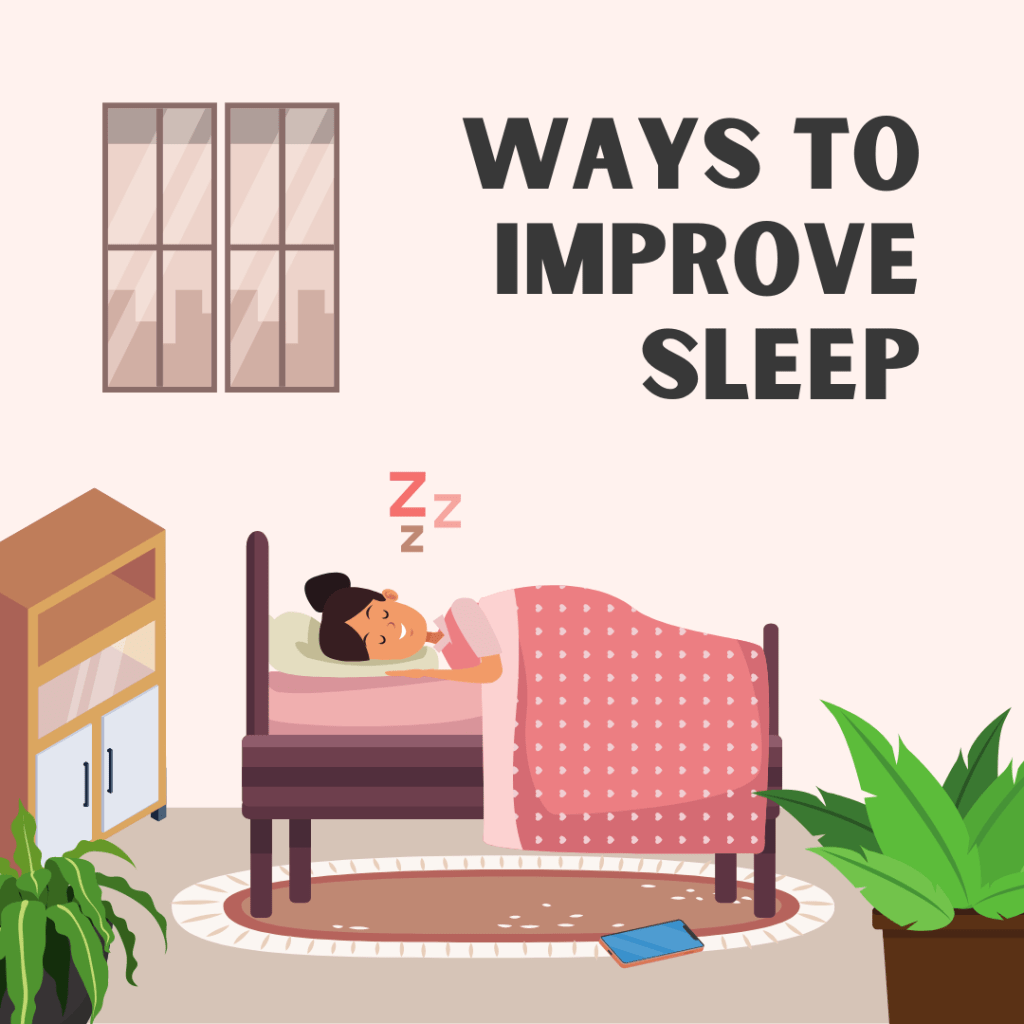
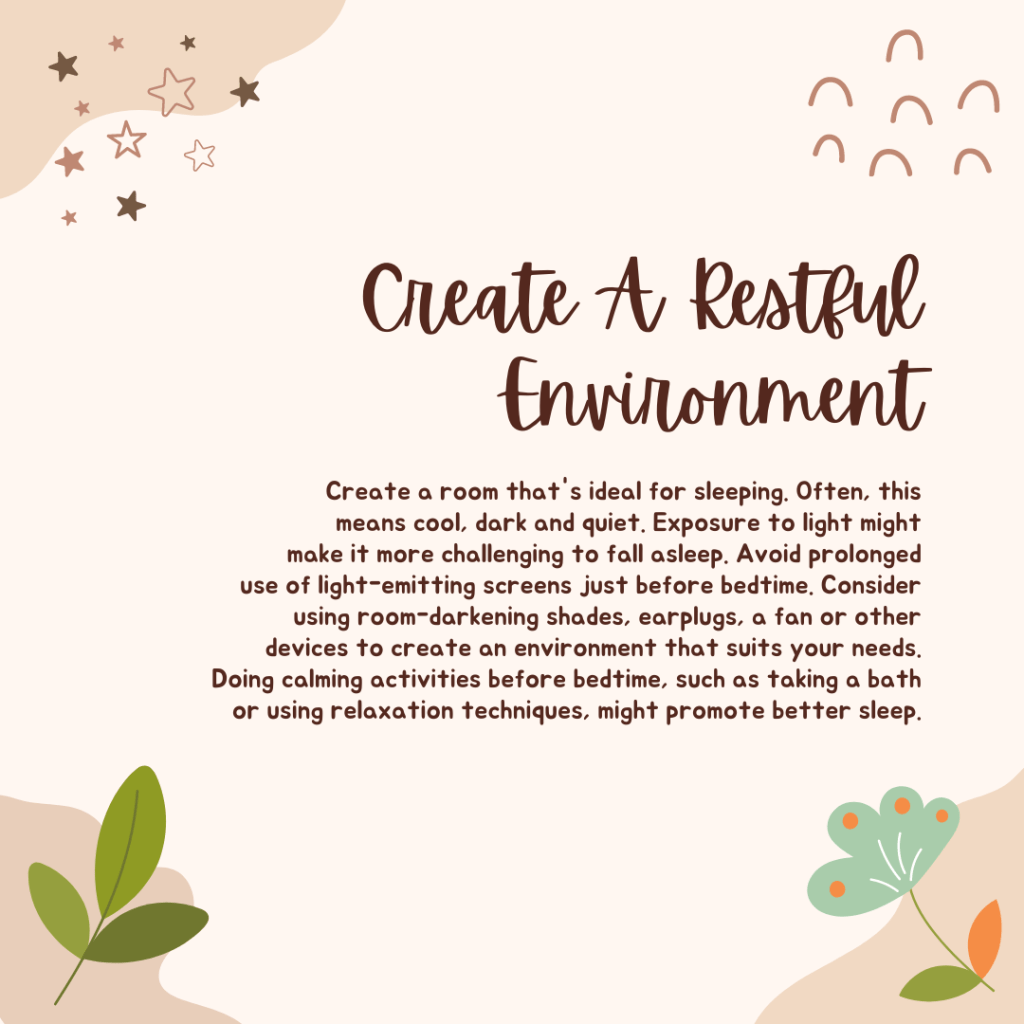
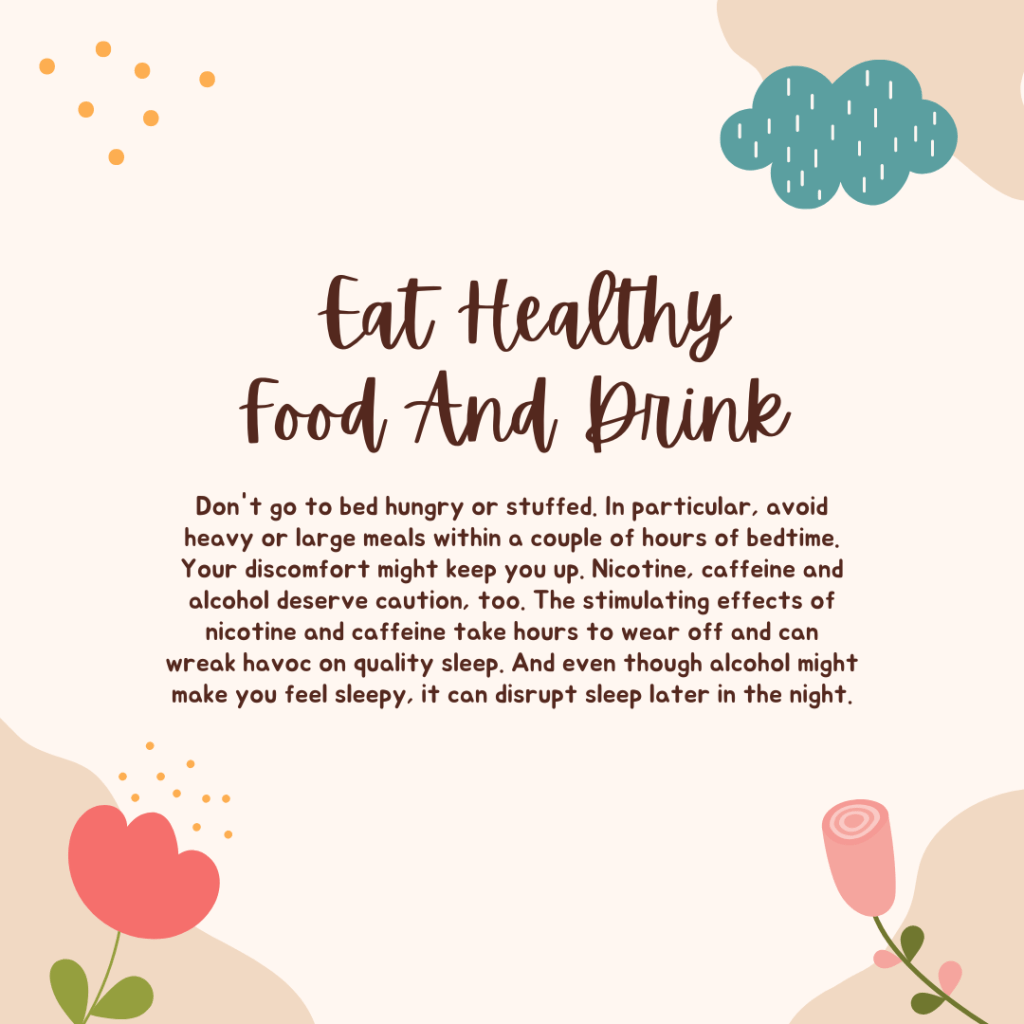
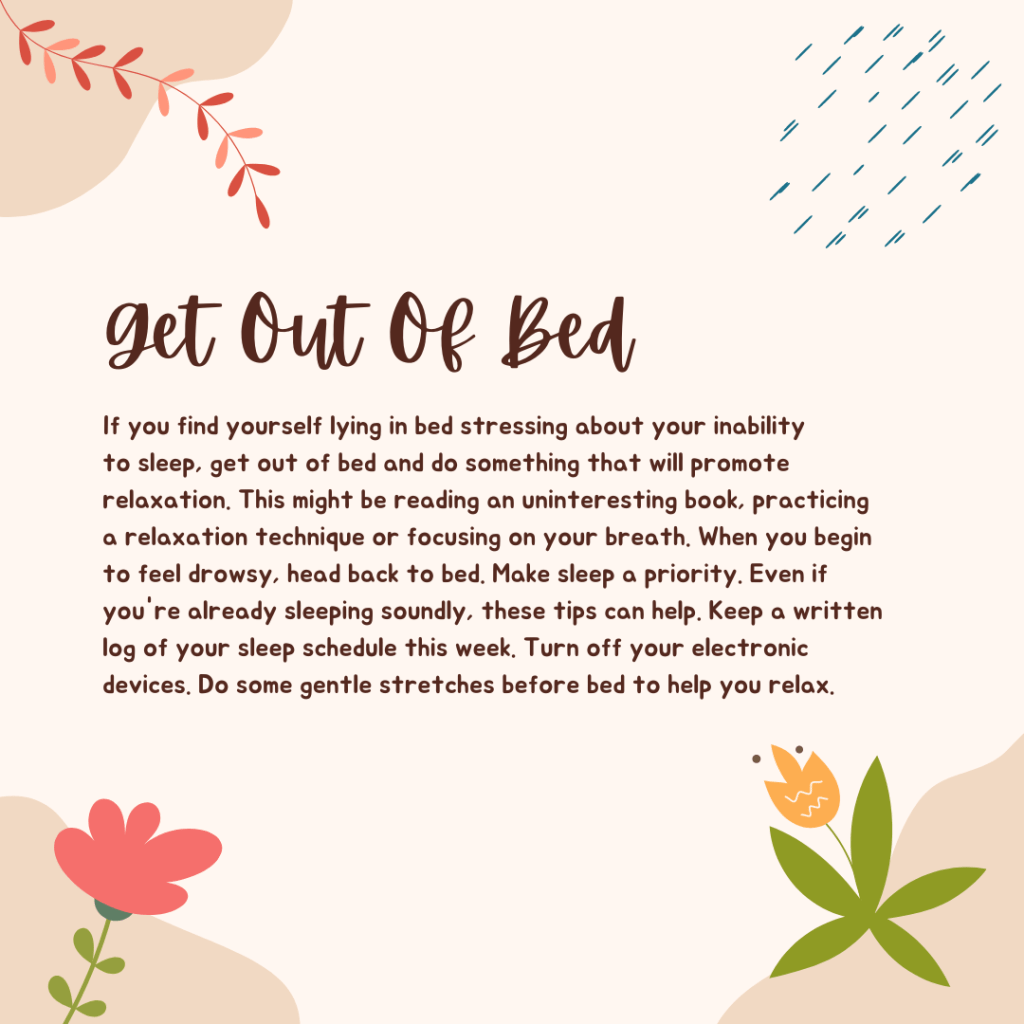
We will leave you with a 6 part DIY SLEEP AID that we hope you will love! As we spend half our life asleep, you’d better make sure you make the most of it!
Thanks for reading and please feel free to comment, share or let us know what you are doing to better your sleep quality, physical health and lifestyle by emailing us at focus@somalife.link or getting involved via our social!
Proudly powered by WordPress
 HUMANOLOGY